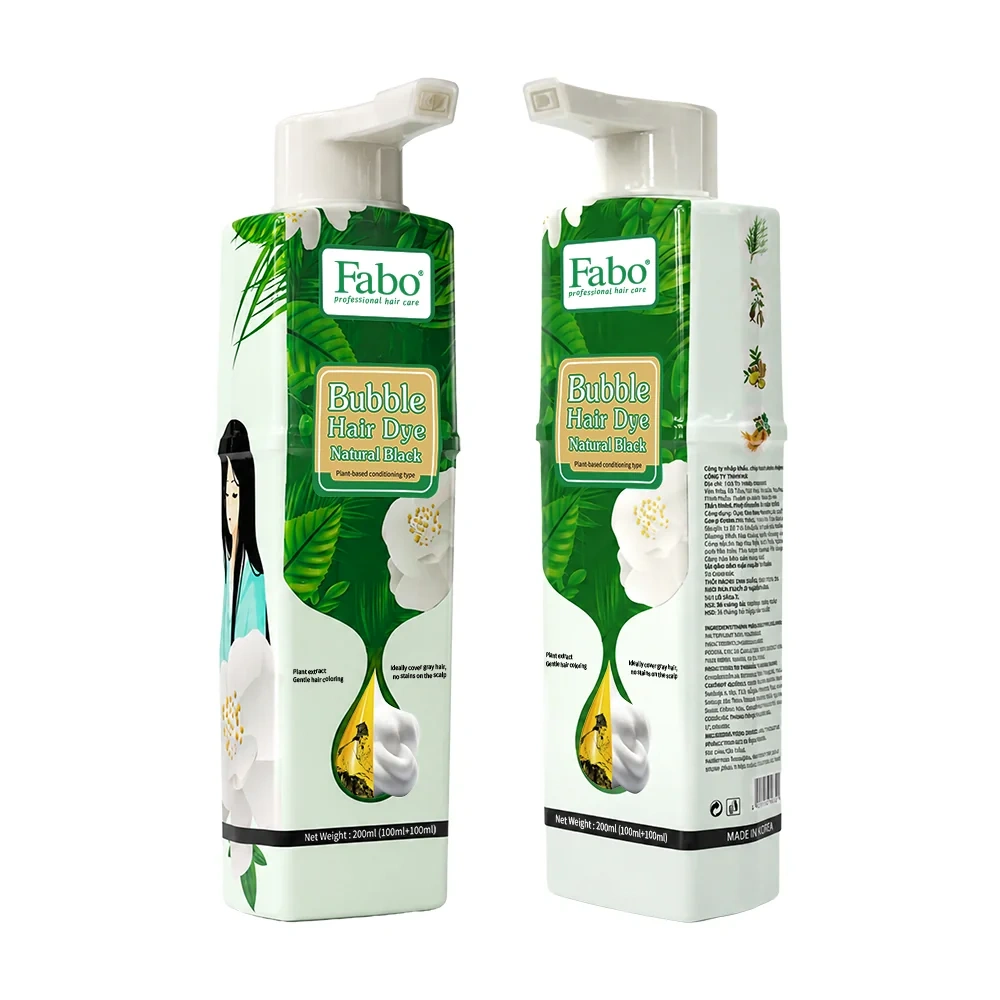
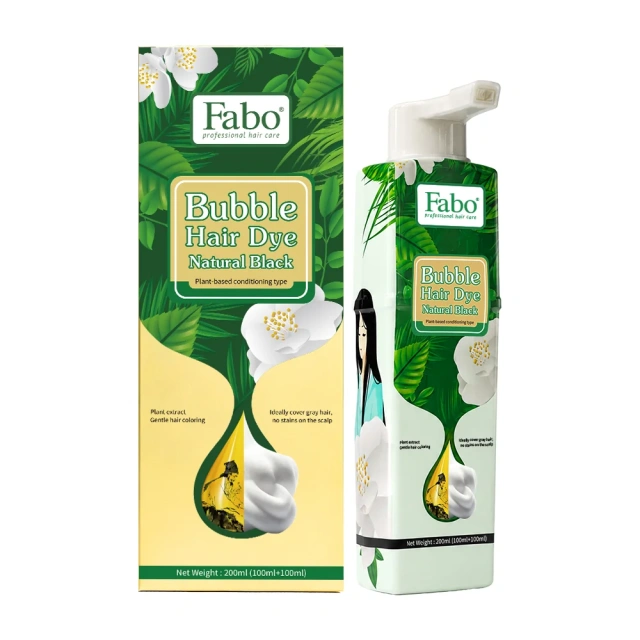
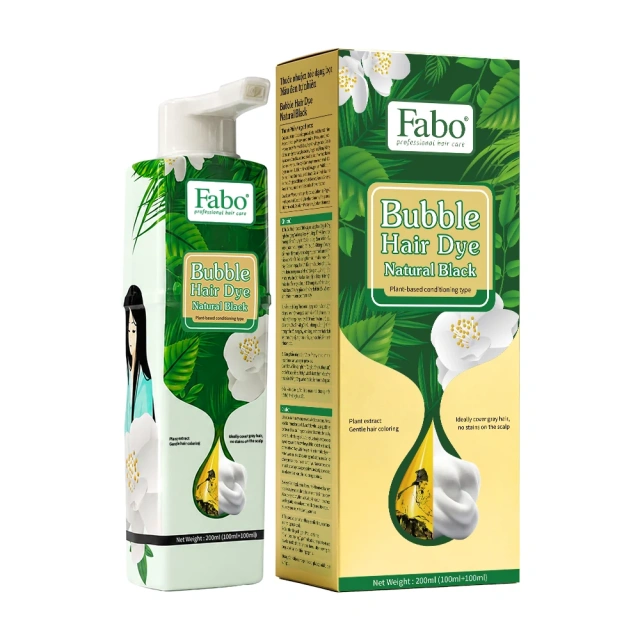
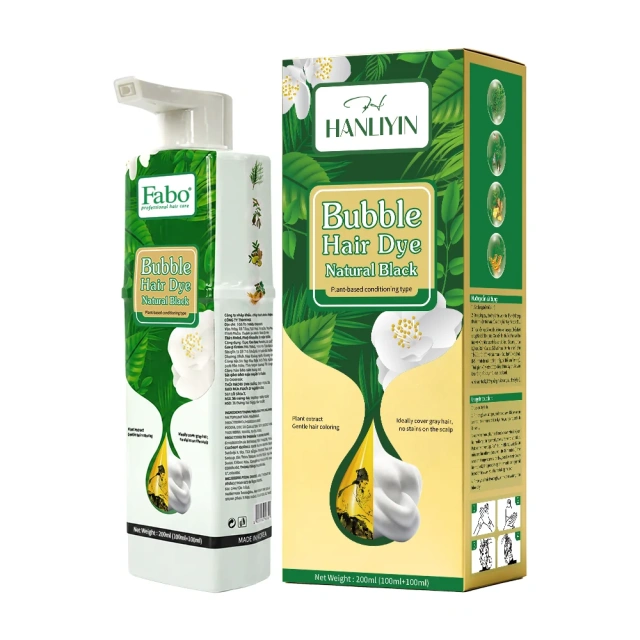
Low-fragrance and fragrance-free hair colour is a development route, not a shelf SKU. Our standard colour base is noticeably perfumed — most markets want that — but a light-fragrance or fragrance-free version can be built for buyers whose channel sells on low scent, whose customers react to perfume, or whose label cannot carry a long allergen declaration.
Fragrance is the ingredient buyers ask about last and regret first. It is added to both parts of a two-component cream, it is the most common cause of contact allergy in cosmetics after preservatives, and in the EU it drags a list of declarable allergens onto the label. Removing it is a formulation decision with real consequences in both directions, which is why this page separates the three levels rather than offering one "low odour" claim.
The distinction matters commercially: buyers regularly ask for "low odour" and then order the standard base, because nobody wrote down which of the three they meant. We confirm it in writing at brief stage.
There is one hard limit worth stating early: fragrance-free is not odourless. The base materials have their own faint note, and a customer expecting "nothing at all" will still notice something. What we can remove is the added perfume — and with it the allergens that come from it.
| Item | Detail |
|---|---|
| Product | Fragrance-reduced hair colour, in the standard range's formats |
| Form | Two-component cream (1 tube A + 1 tube B per box) or dye shampoo |
| Fragrance levels | Standard (perfumed) / light / fragrance-free — the last two developed to order |
| Colour range | Black, brown, or custom-matched |
| Ammonia | Not present in the formula |
| PPD | Low level as standard; PPD-free version available on custom development |
| Volume | Cream 30 ml + 30 ml / 60 ml + 60 ml / 100 ml + 100 ml (A + B) |
| Development time | 25-30 minutes (cream) |
| Packaging | Cream: 96 boxes/carton at 30 ml x 2, 64 at 60 ml x 2, 48 at 100 ml x 2 |
| MOQ | Cream 30,000 boxes per SKU; shampoo quoted per pack format |
| Certificates | COA, GMPC, ISO 22716, MSDS, HALAL, CPNP, FDA facility registration |
| Shelf life | 3 years |
That fourth step is where fragrance-free projects fail commercially: the perfume is gone, but an allergen arrives through another raw material and the claim no longer holds. We check the finished formula before the artwork is printed.
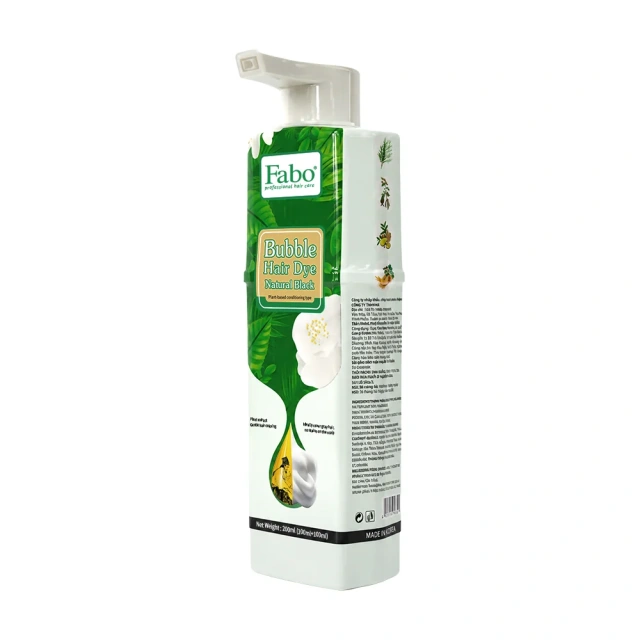
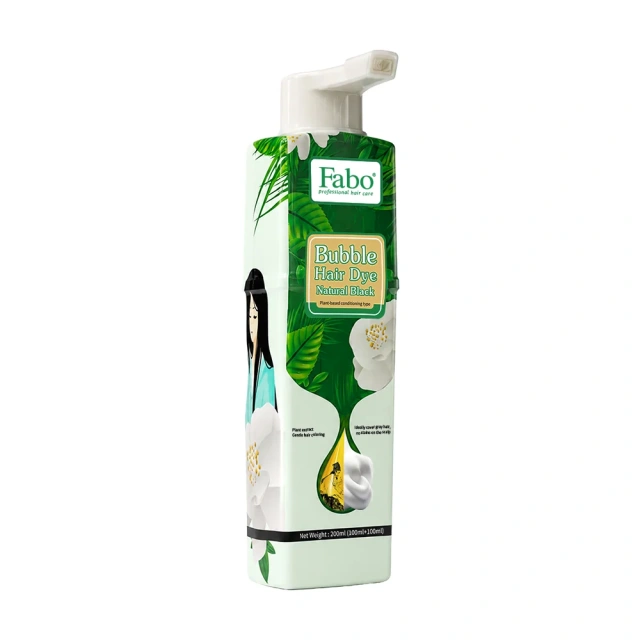
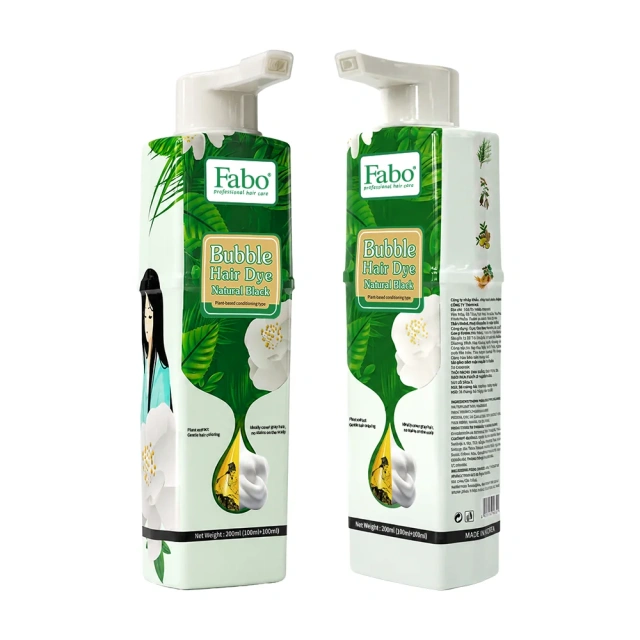
The fragrance question is asked most often on three of our products, and the answer differs by format:
Email elena@haircolor-odm.com with the level you need, the market, the shade and the pack format. You will get a written confirmation of which version we are sampling, because "low odour" means three different things and only one of them will pass your customer's nose.
No. Removing the perfume removes the added scent, not every smell. The base materials carry a faint note of their own, and a customer told to expect "nothing" will still report something. Describe it as fragrance-free, and let the product smell of itself.
No. Fragrance load and colour performance are separate parts of the formula. What changes is the sensory experience during and after application, and the allergen declaration on the label.
It survives if no fragrance is added and no allergen-bearing raw material pushes a declarable allergen above the threshold. That has to be verified on the finished formula, and we check it before artwork is printed rather than after the shipment is held.
The same order of magnitude as the standard product — 30,000 boxes per SKU for the cream — because the change is a formulation adjustment inside an existing shade, not a new product line. A fragrance-free version developed alongside a new shade is quoted together with that development.